

For many of us, there’s a constant struggle with the self when it comes to making the ‘right’ choices. We have certain ambitions that we want to live up to. Yet, when the moment of decision comes, resistance creeps in. Despite our goals and visions, we fall for the ‘bad’ option more often than we like.
This is primarily because of the brain’s preference for short-term rewards (aka, instant gratification) over long-term rewards (delayed gratification). Constantly, we’re faced with the dilemma of instant vs delayed gratification. Yet, it is the quality of our decisions that determines the quality of our lives.
Do I go for a run or watch Netflix on the couch?
Do I go for a healthy salad or pick a donut?
Do I write a chapter in my book or scroll through social media?
Do I wake up early or snooze a few times?
However, more often than not, the delayed gratification has a more productive effect on our lives, while the instant gratification usually (not always) derails us from our goals, vision, and potential. Thus, it makes sense to pick the delayed gratification.
But, as humans, we aren’t rational. In fact, we often make irrational decisions based on emotions, impulses, biological cravings and environmental influences.
Why Willpower Doesn’t Work
Tapping into your discipline and willpower is one way to overcome this struggle — and useful for picking the higher-quality option instead. The problem, however, is that our willpower is a finite resource that depletes during the day.
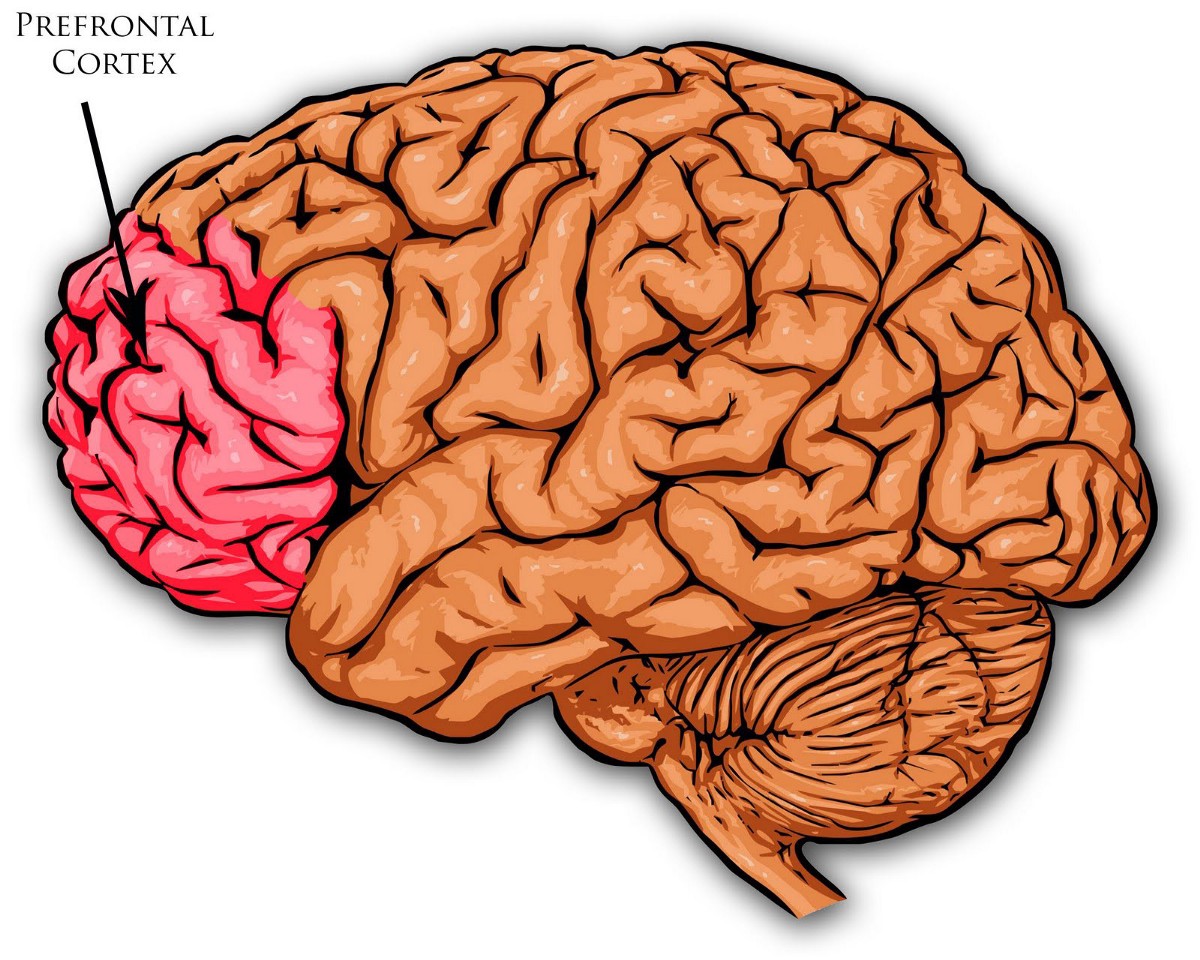
Willpower is regulated by the pre-frontal cortex, a relatively new part of the brain. The problem, however, is that the pre-frontal cortex consumes a lot of energy. This energy runs out as the day progresses, as higher cognitive functions such as decision making, focusing, thinking and problem-solving all drain energy from the brain. Thus, it becomes harder and harder to tap into our self-discipline and willpower as our prefrontal cortex is less capable because of a lack of energy.
Just like a muscle that has been doing a lot of heavy lifting, it’s too weak and energy drained to go another round.
So, maybe you’ll be able to fight off the lower-quality decisions early in the day when your willpower ‘muscle’ is still at its strongest, but you’ll have much more trouble later in the day when your energy starts to dip.
Yes, willpower is incredibly valuable and improving your self-discipline is always a good idea. However, we need a better system to consistently make good choices. One that doesn’t give in as our energy dips.
Why We Fall Prey To Bad Decisions More Than We Like
The problem that arises when being faced with the choice of instant gratification versus delayed gratification is that the negative effects of picking the option that offers instant gratification once are practically insignificant.
Eating a donut instead of a salad once doesn’t seem like a big deal — you won’t suddenly gain a ton of extra weight.
Watching Netflix instead of reading a book tonight won’t hurt your personal growth that much.
Sleeping in instead of waking up early to crush a workout or get important work done once doesn’t feel like a disaster.
And by the way, we often assume that it’s just ‘once’ as we fail to realize that our behavior is often a habit that we repeat more than we’d like to admit.
So, we hardly feel any ‘pain’ when we pick the low-quality option. Yes, we may feel a little guilt here and there, but that’s it.
If picking low-quality options isn’t that painful — yet it provides us with instant gratification — why even bother resisting? Why even bother going for the delayed gratification?
This is exactly what goes on in our subconscious mind when we’re facing these decisions. The mind is always calculating in the background. What is the potential gain with this decision versus that decision? What is the pain we might experience when picking this over that?
Whatever option offers the biggest gains and/or the least pain is the one that we pick 99% of times — simply because the brain is hardwired to follow the path of least resistance.
Thus, if we want to consistently make high-quality choices that improve the quality of our lives, we need to link more pain to our low-quality choices in order to automatically be pulled towards the high-quality choice. We need to make the instant gratification unattractive.
Link Your Identity To Your Choices
Whenever we want to live up to our expectations and become someone who consistently picks the higher-quality options, we need to link our identity to the choices we make.
Whenever we’re about to make a decision, we should ask ourselves the question ‘Am I the type of person who picks X over Y?’

For example, if you want to get important work done early in the morning, but you feel like sleeping in, you can ask yourself something along the lines of ‘Am I the type of person who picks lying unconscious over an opportunity to improve my career/business/life?’
Hell no! That’s definitely not who I am…
If you want to eat healthily, but your ambition gets derailed by a delicious-looking donut, you can ask yourself something along the lines of ‘Am I the type of person who picks unhealthy, high-sugar food over vitamin-rich healthy food?’
Hell no! That’s definitely not who I am…
The above scenario is exactly what I experienced a few days ago when I went to get lunch in the supermarket. I got tempted by a donut while my intention was to eat healthy. With the donut already in my hands, I asked myself the question ‘Am I the type of person who picks this high-sugar snack over a healthy snack?’
I went even deeper by asking myself ‘Am I the type of person who’s going to let a high-sugar snack derail the performance of the rest of his day?’
The answer was simple: No. That’s not me.
I instantly created a strong negative association with this unhealthy snack, and that was enough leverage to pick a much healthier snack: carrots and hummus!
If my intention was different, for example, because I’d set the intention that it was a ‘cheat day’, it would be a completely different story. In this case, however, picking the donut would come from a place of impulsiveness. It would go against the intention that I set for myself — and that’s where this strategy is best used. Remember, there’s a time and place for letting yourself go. As long as you consciously decide and set the intention for it. That’s when you are in control versus letting your impulses decide.
Where we want the thing, we don’t want to be the person who does that thing. I wanted the donut, but I didn’t want to be the person who picked donuts over healthy food. Maybe you want to sleep in, but you don’t want to be the person who picks laziness over productivity. It’s interesting psychology.
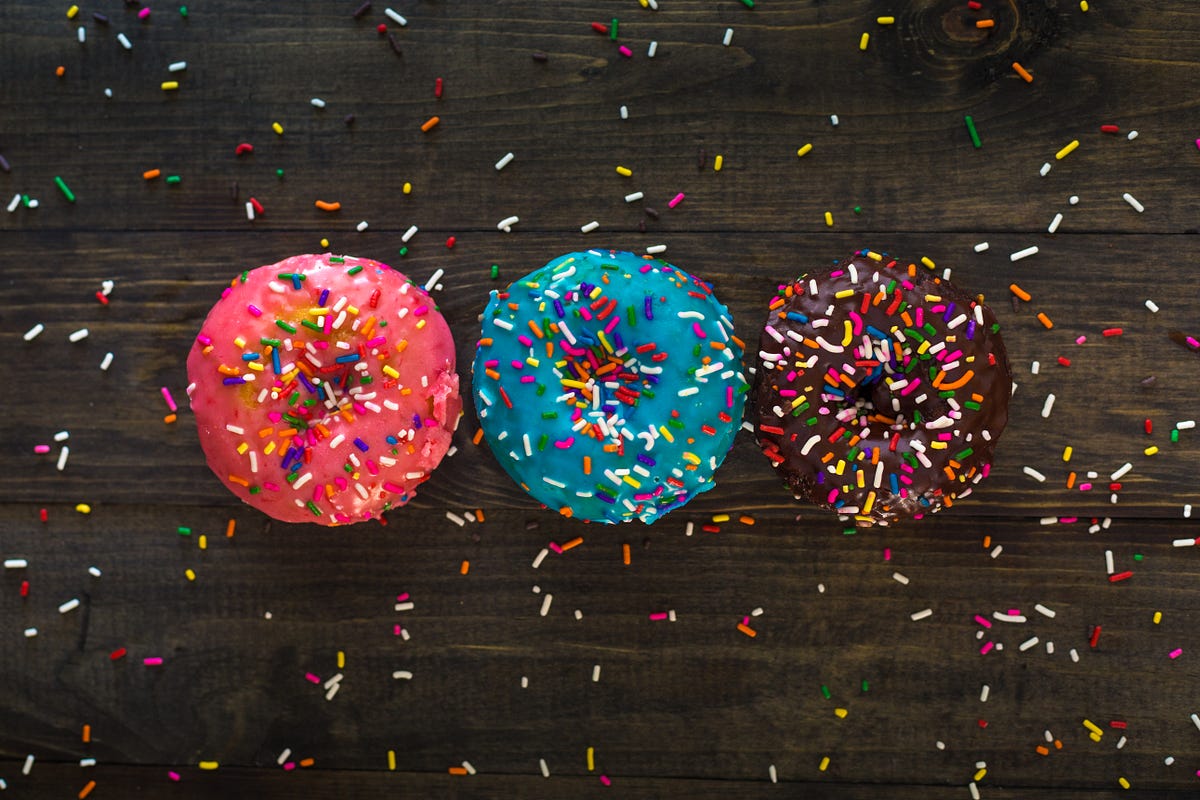
In this case, picking the unhealthy donut over a healthy snack didn’t match with the person that I believe to be — my identity. I think of myself as someone who values health, energy, and vitality. I understand how important it is for my productivity and wellbeing.
Thus, picking something that’s not aligned with that causes a mismatch in my identity. And, we’ll do anything to protect our identity. Because if we don’t have our identity, what do we have?
Therefore, by confronting yourself with who you are if you make certain choices, you’re much more likely to make better choices. The options that aren’t in line with your identity simply become much less attractive.
Now Do It
The next time that you’re faced with a good choice versus a bad choice — instant gratification versus delayed gratification — link the decision to your identity. Ask yourself ‘‘Am I the type of person who picks X over Y?’
This way, the most tempting option quickly becomes the most unattractive option without the need to tap heavily into your willpower.
To Your Personal Growth,
All Rights Reserved for Jari Roomer
 Productivity Hub
2 Comments