
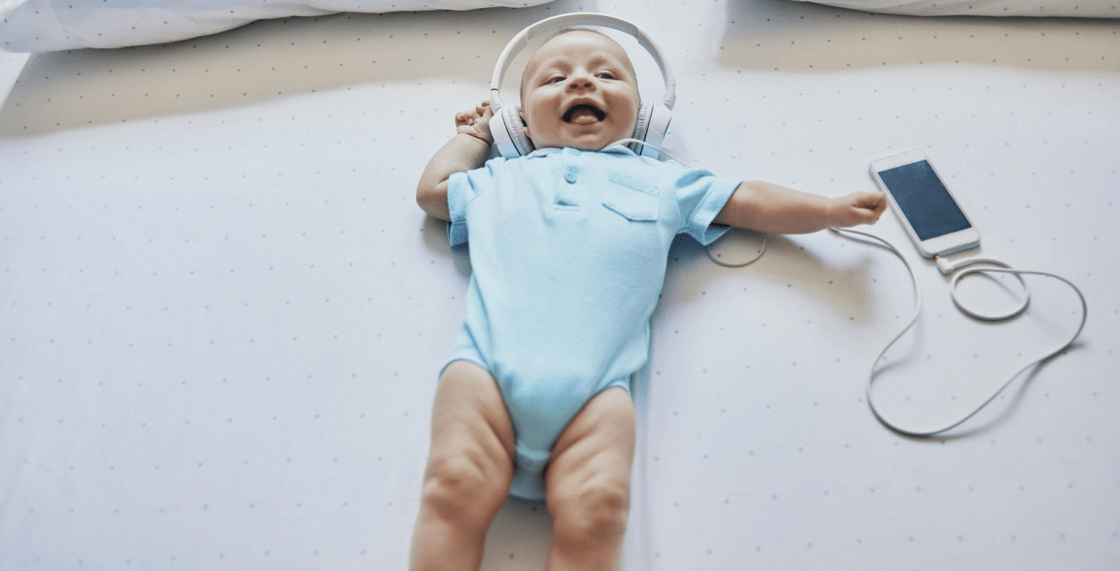


Music has a special power over the brain. Humans across ages and cultures pick up similar experiences and emotions while listening to melodies, and even chimpanzees show musical style preferences. It’s still unknown exactly why music has such a profound impact over biology — there’s no obvious survival advantage to enjoying it. But given music’s universal appeal and influence, scientists have long wondered if it also provides benefits for brain development.
The brain of a preterm baby is at a particularly high risk of abnormal physical development and cognitive deficits that persist in later life. Some experts are concerned that babies whose late-term brain development happens in a neonatal intensive care unit (as opposed to in the womb) could be negatively impacted. Specifically, they wonder if the noise of a hospital environment could disrupt the typical patterns of connectivity between different brain areas.
Some healthcare units already use peaceful background music in the neonatal unit, though there isn’t much evidence on exactly what it means for brain activity. This gap in the literature led one group of researchers to ask whether music could provide a useful defense against some of the sensory stressors that preterm babies experience.
In their recent study, researchers in Switzerland measured the brain activity patterns of both preterm and full-term babies. They also organized the preterm babies into two separate groups: one group, starting at the gestational age of 33 weeks, listened to eight minutes of calm, prerecorded music five times a week through headphones. The other group was simply exposed to the typical environmental sounds around them.
All the babies, both preterm and full-term, had their brain scans taken around a gestational age of 40 weeks. As expected, the scans revealed that all of the preterm infants had weaker connectivity in several brain networks, especially those involving areas associated with sensory processing, and areas that predict early cognitive performance. But, when researchers looked at the two groups of preterm infants, they found that the sensory and cognitive networks of babies who listened to music showed greater connectivity than the same networks in preterm infants with no music. The music intervention seemed to stimulate the preterm brain in a way that pushed activity patterns to more closely resemble those seen in healthy full-term infants.
The effects of music aren’t just restricted to the areas of the brain that are involved in hearing; they extend into areas that involve memory, attention, and emotion. For example, research suggests that pregnant rats who are exposed to music produce pups with better spatial learning ability. And human newborns have a natural ability to detect and respond to musical sounds, which supports the idea that music has some universal and innate influence over our biology. Still, there’s much we don’t know: Can scientists reliably detect positive life outcomes related to music exposure for human fetuses? Is there any link between music listening during late pregnancy and infant mental health? Does the type of music matter? Could regular exposure to a mother’s voice have a similar effect?
As scientists grapple with these questions, it’s fascinating to know that, from the first days after birth, music has the ability to do something special to the brain. It may even help babies who enter our noisy world a little too early.
All Rights Reserved for Erman Misirlisoy
 Productivity Hub