
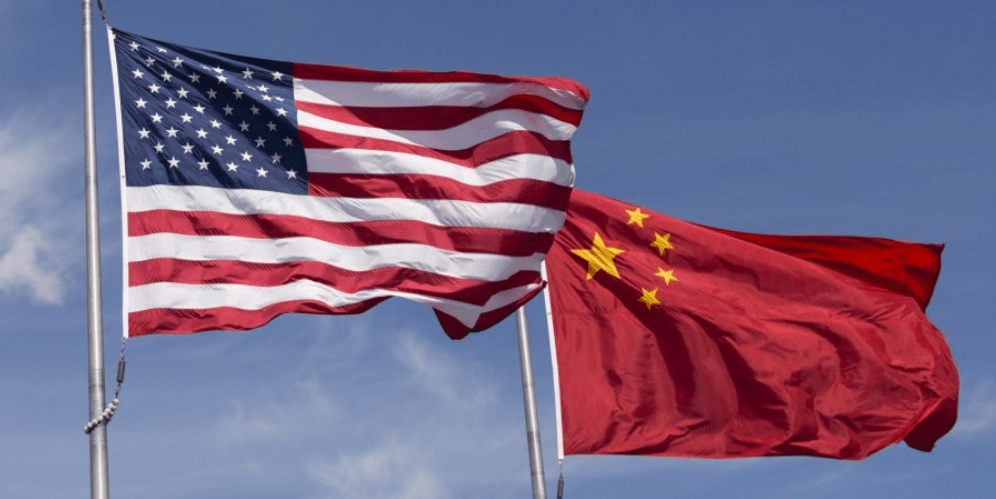
Why does private capital flow more to some countries than others? And what happens when a country decides that political considerations are so much more important than encouraging such capital flows that it erects barriers that cut off those capital flows?
The answer to the first question is that capital flows to the countries with the best corporate governance, financial markets, human capital, and intellectual property protection, according to Capital Rising, a 2010 book I co-authored with Srini Rangan. When a country restricts ownership by a country and raises tariffs on that country’s goods, both the supplier and the recipient of capital will suffer.
This comes to mind in considering the recent tightening of capital controls and boosting of tariffs to China by the U.S. government. According to The Wall Street Journal, this is cutting off the flow of capital from Chinese investors to Silicon Valley companies in fields such as artificial intelligence and autonomous vehicles.
A case in point is Silicon Valley startup Pilot AI Labs, which in 2015 received its first big investment from a Chinese-backed venture capital firm. By the summer of 2018, however, Pilot AI worried that its investor’s ties with the Chinese government would make it harder to win Pentagon contracts, according to the Journal.
Xenophobia is hurting U.S. companies — costing them investment capital and access to the enormous Chinese market.
If your company is suffering as a result of the trade war with China, here are four things you should do.
The one thing that is crystal clear about the trade war with China is that its purpose and likely outcome are obscured by misinformation and uncertainty. Business leaders should respond by using the best information available to develop different scenarios of how it might turn out.
Before constructing such scenarios, consider your company’s stake in China. For example, Is your product being manufactured there? Do you hope to sell your product in the Chinese market? Have you raised capital from Chinese investors?
Once you know that, you can start thinking about possible scenarios. Here are a few examples:
You should rank the scenarios you envision — highlighting two or three that you think are the most likely to occur. Then brainstorm and select one or two strategies that you expect can minimize the damage from the scenario.
For example, if you sell your product in China, perhaps the worst scenario would be for the U.S. to keep raising tariffs on Chinese goods until the November 2020 election, which leads China to retaliate by raising its tariffs on your products.
Possible strategies to minimize the resulting damage could include scrambling to develop distribution partnerships in other countries — such as India or Indonesia, which have large markets but are not in the cross hairs of the trade war.
If you have raised capital from China or were previously trying to raise capital there, you ought to consider whether there are good alternatives.
One of the important things to bear in mind in considering where else to raise funds is that with capital usually comes the investors’ business connections — specifically with potential customers, employees, partners, or government officials who could help your company grow.
So if you decide to raise capital to replace funds from China, you should also consider the attractiveness of the new country’s market for your product along with the connections and capital that investors in that new country might provide.
While the future of the China trade war is uncertain, there is a good chance it will eventually end. That will happen as soon as the U.S. has a new president who does not think the trade war is good policy. It is unclear when that will happen — but it is inevitable.
When it happens, you may want to reconnect with your Chinese partners — whether they are investors, suppliers, employees, distributors, or government officials. So if you temporarily suspend doing business there, you should invest the time to sustain your business relationships.
All Rights Reserved for Peter Cohan
 Productivity Hub