
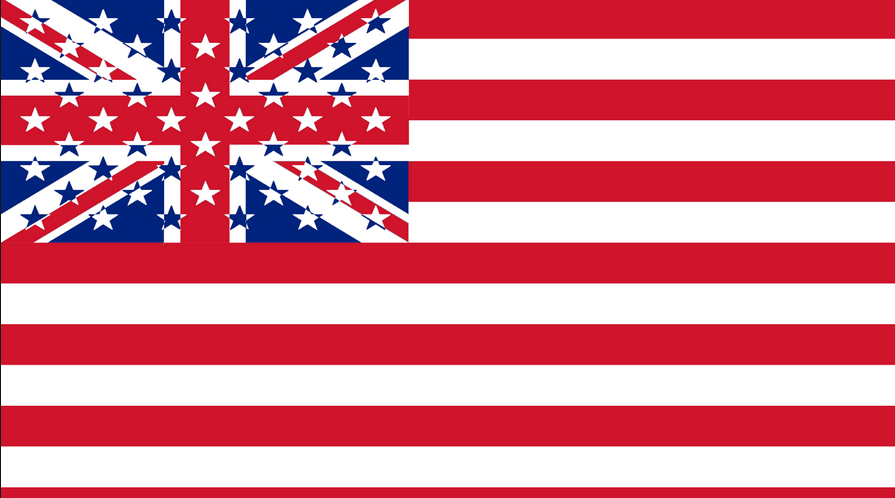
During the 20th Century, Britain ruled the world. But now we risk becoming ruled by others.
Much of the sentiment which drove the Leave vote was based on nostalgia for a time when the UK occupied territories covering two-fifths of the Earth’s land area. There are many people living in Britain who remember the Empire, the older ones able to reminisce over its heyday up to the end of WWII; and many more, some as young as being in their 50s, remember its last gasps and the return of many lands to their native populations. Even those not alive during those times are aware of the stories passed down from earlier generations, and they too glory in Britain’s recent time as ruler of the world.
Our tenure ended suddenly, with major territories in Asia and Africa being ceded over the course of the 1950s and 60s, and many smaller nations gaining independence in the 70s and early 80s. But just before WWII, we weren’t just a world power, we were the world power. And even though Britain was losing power — perhaps as a reaction to this loss of power — schoolchildren in the 1950s and 60s would be taught all about our marvellous Empire and how superior the British were for being able to rule over nations populated by inadequate and unsophisticated peoples.
This education had a rather selective curriculum in that it skipped over all the bad bits. Even now, most British people are ignorant of the deaths, plundering of resources and destruction of culture that occurred as a result of the UK’s expansion. Those living in the days of Empire needed to believe that we were righteous in conquering supposedly uncivilised lands; as the ones who got to write this history, we were portrayed as the good guys. Children aren’t taught about the Empire in school nowadays, and it has been speculated that this is because we would then have to address those uncomfortable truths about Britain’s exploitation of foreign peoples and lands. On the other hand, there is the danger that teaching about the Empire could reignite the jingoistic fervour that never really went away.
So much of modern British culture is about our past — The Empire, the 1966 World Cup, WWII, Kings and Queens, the Battle of Trafalgar. It is like our achievements stopped in 1970. And that might be true. It was around then that the decline of Britain’s manufacturing and mining sectors began, and swathes of our nation were left destitute and with nothing to replace what had been taken away. Britain’s industries moved towards more globalised ones rather than what we kept in-house and then sold overseas. We could have built new pride in our nation’s achievements as we transitioned to a new, post-Empire world, but it seems that without control and dominance over others, we felt we had nothing to be proud of.
Brexit gave people new hope. It was sold as an opportunity for Britain to be great again, to return to our pre-war magnificence. No-one really explained how we were going to achieve it, but we got all fired up at the possibility. Those who questioned the wisdom of Brexit were accused of “talking Britain down”, as if a positive attitude could resolve the political clusterfuck we had created. Allusions to Britain’s Imperial past not only conjured up images of a Blyton-esque utopia; it also reinforced the harsh authoritarian reforms of recent British policy-making, a system in which we are ruled rather than governed. Local councils and non-profit services have been crippled by savage spending cuts, local media barely exists, and people feel disengaged from their communities. We shut up and put up with what we have been given, and look fondly back on those mythical days of plenty.
We have little to cling onto but our past, and as the last members of the WWII generation die off, Baby Boomers scrabble to recreate a rose-tinted version that is at odds with their lived experience. All the war stories detailing struggle against adversity, and the triumph of the Blitz Spirit, come from those who survived the war. Those who didn’t would likely have a different opinion. But Brexit has never been about facts and reason. It was a fantasy constructed from these legends of old, and fuelled by recent immigration policies and negative media coverage that inferred all Britain’s problems were down to immigration (they weren’t), and that the EU was to blame for this (they aren’t).
Brexit sold us the dream of being able to recreate what we had then, but it won’t. The idea of being able to utilise the Commonwealth as a trading network is what this is based upon, but it is an impossible goal. For a start, most of our trade is with the EU, and the rest occurs through it, ensuring we get the best deal possible and streamlining the paperwork. We just don’t do that much trade with Commonwealth countries, and they already have trading partnerships in place with other nations, which we are unlikely to be able to beat. Additionally, our relationship with the Commonwealth is that of any other country, save for loose symbolic and diplomatic allegiances. We no longer own these countries and we’re not going to get them back.
Britain’s Brexit dream comes from a misunderstanding of the UK’s position on the global stage. We believe that Europe rules over us, and that if we were to leave, we would regain our rightful place as ruler of the world. But we are a partner in the EU, and one with a lot of influence. Outside of the EU, we lose all that influence, plus we have to renegotiate our trade and diplomatic deals with all other countries, from a greatly weakened position. An independent and sovereign Britain already exists, but without the protection of EU membership we will be vulnerable, alone and without the resources and connections necessary to maintain our current standard of living and economic performance.
Our memories of Empire have been constructed to ignore all of the atrocities that Britain committed in order to gain power and wealth from those nations it colonised. Because we did not pay attention to the other side of being a world power, we aren’t considering what other countries will do to us as they become the ones in charge. Globalisation has created corporations that are more powerful than some countries, and these large companies have shareholders from the most powerful nations. Much of British infrastructure is already owned by foreign companies, and private investment by overseas individuals in the UK property sector has created huge volumes of empty properties, and private ownership over public spaces, at a time when homelessness and poverty are through the roof.
It is at this point we are ripe for exploitation. We produce few tangible goods, and we are keeping afloat by selling off national assets. The Conservative Party know this, and in their dying throes they are attempting to cling onto power by playing up the Britishness factor and forging trade deals with Trump; deals that will give American companies huge amounts of control in our public services. The US’s position now is similar to Britain’s in the 1940s and 50s. They are the ones with the empire now, and their investment in UK public services effectively makes us their colony. Like all colonisers, they will seek to extract as much as they can from their investment, draining it of all value and exploiting its workforce and consumers.
In our ignorance of what the Empire actually entailed, we don’t recognise ourselves as the bad guys. We either don’t know about the genocide and exploitation, or we justify it with the idea that we were just superior and therefore it was our right. We still hang on to this arrogant Empire mentality, not accepting just how vulnerable we are now— and it will be our downfall. Our insulation from the hard truth of our reign makes us susceptible to exploitation and cruelty from others.
It felt good to be king of the world, to have all those other nations under our control. Even though we have lost them we still retain our superiority complex and belief that Britain is the best. But we have gone from being an Empire, to a collaborator in a continental union, to a defiant and defeated nation biting the hand that feeds it in an attempt to relive the past. This really is as good as it gets for us, and when we leave the EU we are at the mercy of the international free market, in which we will struggle to compete.
The Tories know what they are doing. Britain is being sold off piece by piece so that the powerful can benefit at the expense of ordinary citizens. Our land, our health service, our jobs and houses are all being sold off to overseas bidders. Our strength within the EU was one we held in numbers, and leaving the bloc makes us merely a line on a balance sheet. Britain is becoming a colony of America, China, Russia and whoever else wants a piece of the pie. All the while our leaders are telling us that we are heading towards independence and glory days — and unless we wise up to them pretty soon, they’ll get away with selling us off to the highest bidder.
Power fluctuates and moves around, empires rise and fall, and we can never recreate the past. Why would we want to? It seems quite fitting that Britain began the 20th Century as a nation that owned most of the world’s resources, people and land; and it enters the 21st deteriorating into a small nation owned from afar by more powerful countries exploiting its people and assets. Some might even say we deserve it, and with our troubled political and cultural legacy, there are plenty that will want to teach us a lesson. We can only hope that our new masters will treat us with the kindness and generosity we denied to our own Empire.
All Rights Reserved for Katy Preen
 Productivity Hub