
The functionality of iPadOS and iPad Pro combine for an entirely refreshed computing experience.
When Apple released the iPad in 2010, it was a ground breaking marvel in the tech industry. Apple founder and CEO Steve Jobs stated, along the lines, that there should be a device that should lie between a smartphone and laptop, but still accomplish tasks better than the two devices. The iPad was just that device, a revolutionary product in the form factor of a tablet. Multiple users were describing it as the next generation computer, at the time. When the first generation arrived on the doorsteps for customers, the experience was groundbreaking. As Jobs said, the first generation iPad did browsing through the internet and created a maxed out experience for those who were already familiar with Apple’s ecosystem. As the years went by, with updates big and small to the slow faming tablet, the purpose of the device took a downturn.
iPad just became a bigger version of an iPhone, or rather iPod touch. When iPad mini was announced, it became a medium sized version of the two other flagship devices at the time. The competition certainly did not make it any better.
COMPETITION & HOUSEHOLD PROBLEMS
Companies began developing their own tablets to compete, most notably Microsoft. Microsoft’s Surface lineup started out similarly to Apple’s iPad. The first model came out looking to redefine the state of computing, giving an option for a rubber-like keyboard to enhance the experience. Microsoft too had its own mobile operating system at the time for Surface: Windows RT. Just three years later though, the Gates produced company prompted to include its Windows 8.1 operating system. After that, the Surface became one of the most prominent examples of a redefine in computing and a true definition of what a tablet should be. Meanwhile, on the other side of the spectrum and in the same year of 2015, Apple released iPad Pro, a competition against the Surface. But would it stack up?
The short answer: no. The first generation of iPad Pro was just a bigger version of the existing iPad, at the time. The functionality of iOS, primarily the ninth edition of the operating system, did not help either. iOS just brought out a bigger version of the iPhone in the iPad. That is not entirely a bad aspect though, as several applications would alter their user interfaces for iPad alone. This helped enhance the mobile computing experience more than ever. Therefore, it assisted the tablet towards being more so a computer. The entire operating system, on the other hand? Not so much. There was still major improvement needed in gearing the tablet towards an imminent change of computing power. There was still room for basic improvement. The key towards it was the operating system. iOS had to change its course for iPad completely. Apple’s iPad, especially with the existing Pro tier, has been a powerhouse in terms of specifications. iPad Pro has specifications/usage that lands higher than Apple’s own MacBook lineup. It is this type of proof that leans towards the idea that the device is capable of being the future of the computer. However, if it does not have a reliable operating system, an operating system that brings the advancements of a full ranged computer to life, then there is nothing but a bigger iPhone experience.
IPADOS
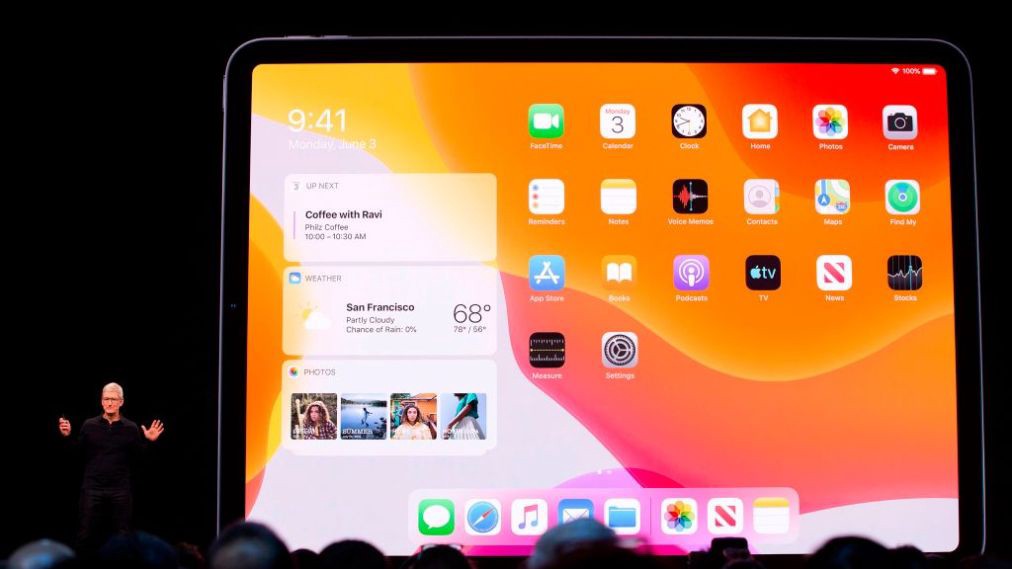
Image courtesy of Time Magazine.
This year, at Apple’s World Wide Developer Conference, a major announcement occurred regarding the future of iOS on iPad. iOS 13 had its presentation without any iPad features. This proved to be a moment of a shock, but that mental electrical false-wire would change. After iOS 13 was announced, Apple revealed a brand new operating system solely for iPad: iPadOS. I remember viewing the event and hearing the crowd go absolutely bonkers when this was announced. The reason? Because the iPad was finally going to get the right treatment into potentially becoming its true purpose.
The newest operating system from Apple came with an array of features. For example, instead of the multitasking screen being an array of application screens, iPadOS allows the functionality of viewing and acting upon several apps at the same time. Another example would be the home screen. Home has been given a boost with important widgets attached towards the left of the display. Being able to use the iPad as another screen, the Apple’s Files application being updated to look and act more like macOS’s Finder, USB Type-C accessory support being added, and a true desktop-like experience when handling Safari (editing Google Docs, YouTube Channel settings, and more!), are just a few features from the computing offspring of iOS.
THE VERDICT
Judging by the hardware of the latest tier of iPad and software developments towards iPadOS, there can be a judgment made. Apple’s iPad has finally paved the way for the future of computing. It is not a perfect device nor has all of the perfect features of a regular laptop/computing device, but it is damn near perfect. Remember, iPadOS just arrived on doorsteps this year, so who knows the impeccable updates it will have in the future. The same case is observed with iPad since the first largest update for iPad Pro, which came out a little under a year ago.
This prompts for an opportunity towards bigger and bolder aspects of the inherent future regarding computing.
All Rights Reserved for Rahul Lal
 Productivity Hub
[url=http://mewkid.net/when-is-xicix/]Buy Amoxicillin Online[/url] Amoxicillin 500mg Capsules hke.tzxq.productivityhub.org.jxr.kb http://mewkid.net/when-is-xicix/
LikeLike