
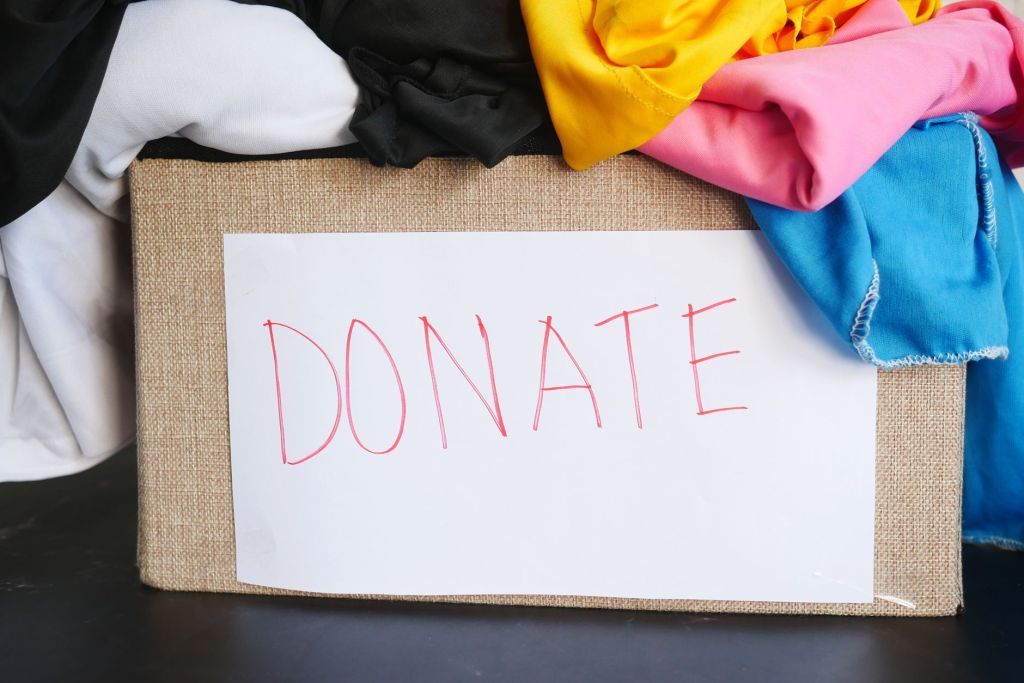
Cover Photo: Towfiqu barbhuiya on Pexels.com
You’ve done the hard part. The cupboards are emptied, the decisions are made and there are bags of things by the door. Now comes the question that stalls many decluttering projects: where does it all go? Dumping everything in the bin feels wasteful. Trying to sell every item individually can take months.
The answer is a simple sorting system and a few reliable destinations. This guide explains how to give your unwanted things the best chance of a second life, how to handle tricky items safely, and how to get it all out of the house quickly.
Key takeaways
- Sort items into four routes: sell, donate, recycle and dispose of safely.
- Only sell items worth the effort, and set a deadline so they don’t linger.
- Donate clean, working items that someone else would actually want.
- Electronics, batteries, medicines and chemicals need special handling; never put them in ordinary bins.
- Wipe personal data from every device before it leaves your hands.
Why “responsible” decluttering matters
Decluttering makes your home lighter, but the things you remove still have to go somewhere. Usable items sent to landfill waste the resources that went into making them, and some items, like batteries and electronics, can be hazardous if thrown away with general rubbish. A little planning keeps your clear-out from becoming someone else’s problem, and often helps people in your community.
Step 1: Sort into four routes
As you declutter, put each item into one of these groups:
| Route | Good for | Watch out for |
|---|---|---|
| Sell | Furniture, electronics, branded clothing, sports gear, instruments, collectables in good condition | Low-value items that cost more time than they earn |
| Donate | Clean, working household goods, clothes, books, toys, kitchenware | Broken, stained or unsafe items that charities can’t use |
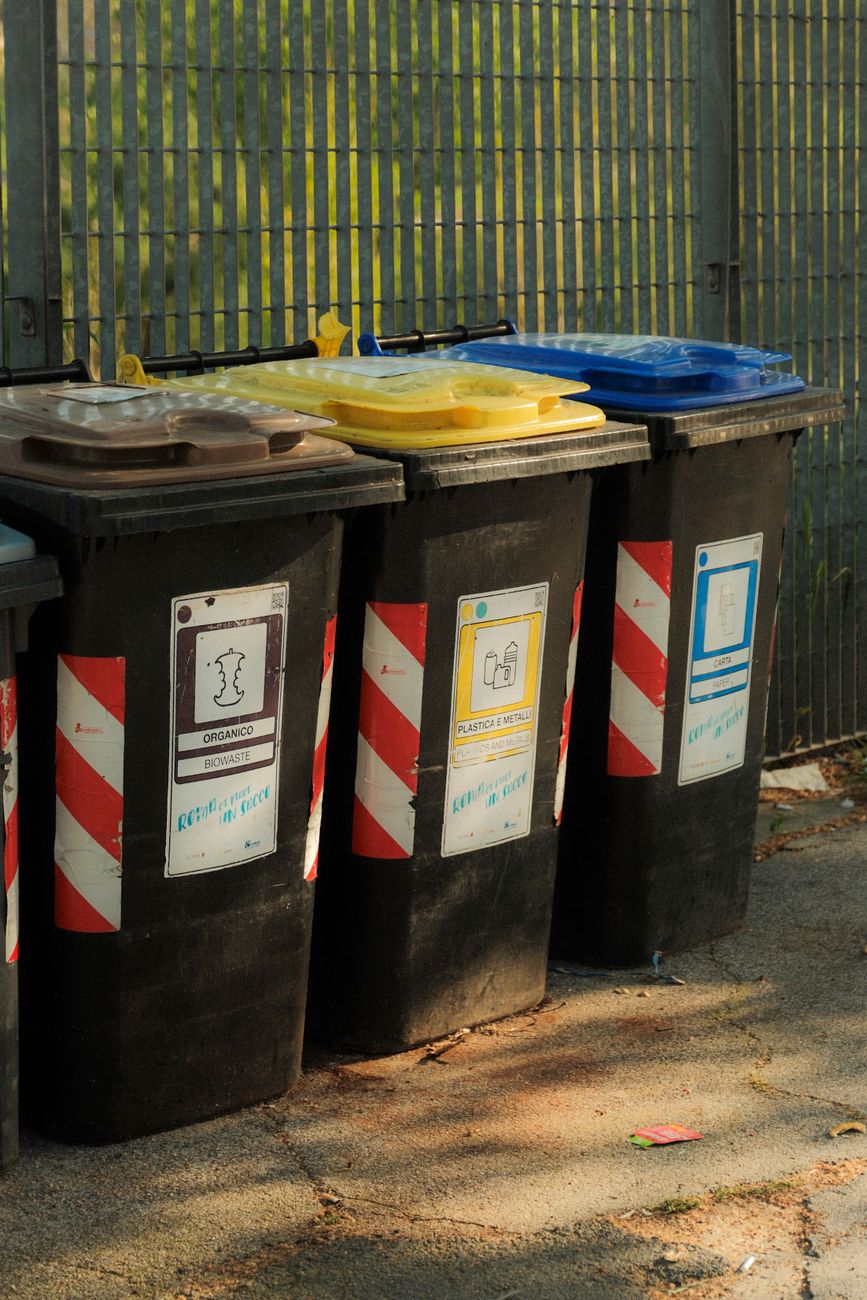
| Recycle | Paper, cardboard, glass, many plastics and metals, textiles, electronics through proper schemes | Local rules vary; check what your area accepts |
| Dispose of safely | Batteries, medicines, paint, chemicals, gas canisters, some light bulbs | Never put these in household bins or drains |
Keep a separate small box for items to return to friends or family, and deliver them within a week.
Step 2: Sell only what’s worth it
Selling can recover some money, but it takes time to photograph, list, answer questions and arrange collection. A useful rule is to sell only items you think will fetch a meaningful amount for you, and to set a deadline, such as two or three weeks. Anything unsold by then goes to donation.
Tips for selling smoothly:
- Clean items first and photograph them in good daylight.
- Describe honestly, including any wear or faults.
- Price to sell. Look at similar completed sales rather than hopeful listings.
- Bundle small items, such as a box of children’s books or a set of kitchen tools.
- Stay safe: meet buyers in public places or have someone with you for home collections, and use the platform’s payment protection where possible.
Step 3: Donate thoughtfully
Charity shops and community organisations can do a lot of good with your unwanted items, but they also have to deal with donations they can’t use. Help them by donating well:
- Check what they accept. Many have lists online, and some can’t take items such as mattresses, cribs or large furniture.
- Wash and fold clothes, and pair shoes together.
- Test electrical items and include cables and instructions where possible.
- Think beyond charity shops. Shelters, schools, libraries, community fridges, local “free” groups and tool libraries may welcome specific items.
- Keep receipts if relevant. In some countries donations can affect taxes; check the rules or ask a tax professional.
Ask of every donation: would I be happy to receive this as it is? If not, it probably needs recycling instead.
Step 4: Recycle correctly
Recycling rules differ between councils and countries, so check your local authority’s guidance. A few general points:
- Clean and dry containers before recycling them.
- Flatten cardboard and remove excessive tape.
- Worn-out textiles can often go to textile banks or retailer take-back schemes rather than the bin.
- Shred paperwork with personal details before recycling it.
- When in doubt, check. Putting the wrong items in recycling bins can contaminate whole loads.

Electronics: wipe, then donate or recycle
Old phones, laptops, tablets and cables are some of the most common clutter, and some of the most valuable to reuse or recover. The US Environmental Protection Agency’s electronics donation and recycling guidance encourages donating working devices and recycling the rest through programmes that handle electronics responsibly, including recyclers certified to recognised standards.
Before any device leaves your home:
- Back up anything you want to keep.
- Sign out of accounts and turn off “find my device” features so the next owner can use it.
- Erase it using the built-in factory reset.
- Remove SIM cards and memory cards.
- Keep chargers with the device if you’re donating it.
Many manufacturers and retailers run trade-in or take-back schemes, which can be the easiest option.
Batteries, medicines and hazardous items
Some items need special care because they can cause fires, pollution or harm:
- Batteries, especially lithium-ion batteries from phones, laptops, vapes and power tools, should never go in household bins or recycling. Take them to a battery collection point; many shops and recycling centres have one. Tape the terminals of loose batteries.
- Medicines should go to a pharmacy or official take-back scheme, not the toilet or bin.
- Paint, solvents, garden chemicals and gas canisters usually need a household hazardous waste facility. Your local council or authority will list options.
- Light bulbs such as fluorescent tubes may contain small amounts of hazardous material and should go to proper collection points.
Furniture and other large items
Big items are often the ones that linger longest, because they are awkward to move. A few options to consider:
- Furniture charities and reuse organisations in many areas collect good-quality sofas, tables and wardrobes, sometimes for free. They may need items to have fire-safety labels or to be in clean, undamaged condition.
- Local free-to-collect groups can find a new home for items within days, especially if you are flexible about collection times.
- Council bulky-waste collections are a fallback for items that genuinely can’t be reused. Check what is accepted and whether there is a fee.
- Mattresses often have specific recycling schemes, and some retailers will take an old one away when delivering a new one.
Measure doorways and stairwells before arranging a collection, and take a few photos so organisations can tell you quickly whether they can accept the item.
Give within your community
Some of the most useful destinations are close to home. Neighbours, friends, colleagues and local groups may be looking for exactly what you’re letting go of: a child’s bike, a spare desk, garden tools, baking equipment. Offering items directly saves transport, keeps things in use and often starts a few friendly conversations. Swap events for clothes, books, toys or plants are another enjoyable way to pass things on and pick up only what you’ll really use.
Make the exit fast
The biggest risk after decluttering is letting the bags sit in the hallway or car boot for weeks. Build the exit into your plan:
- Book it before you begin. Arrange a charity collection, recycling-centre visit or drop-off for the end of your declutter session.
- Use your calendar. Add selling deadlines and donation runs as appointments.
- Keep a permanent “out” basket by the door for future items.
- Review it weekly. Your weekly review is a natural place to check that things are actually leaving.
Quick reference checklist
- Four labelled boxes ready: sell, donate, recycle, safe disposal.
- Donation destinations checked and booked.
- Selling deadline set.
- Devices backed up, signed out and wiped.
- Batteries taped and set aside for a collection point.
- Medicines and chemicals bagged for the correct facility.
- Paperwork with personal details shredded.
If you’re still at the decluttering stage, start with our room-by-room decluttering plan, then come back here once your boxes are full.
FAQ
What should I do with clothes that are too worn to donate?
Look for textile recycling banks or retailer take-back schemes. Worn items can often be turned into cleaning cloths, insulation or new fibres rather than going to landfill.
Is it okay to leave donations outside a closed charity shop?
Generally not. Items left outside can be damaged by weather or taken, and the charity may have to pay to dispose of them. Drop off during opening hours or book a collection.
How do I make sure my old phone’s data is gone?
Back it up, sign out of your accounts, disable device-tracking features and then use the built-in factory reset. For extra peace of mind, follow the manufacturer’s official instructions for your model.
Can I put batteries in my recycling bin?
Usually no. Batteries, especially lithium-ion types, can cause fires in bins and recycling trucks. Use dedicated battery collection points.
What if no one wants my item?
If it can’t be sold, donated or recycled, dispose of it through your local authority’s waste services, following their guidance for large or unusual items.



Leave a Reply